Electrical Systems Designed for Home Safety
Residential Electrical Services in Atlanta for homeowners requiring wiring, repairs, upgrades, and surge protection in both new and aging properties
Older homes in Atlanta often feature knob-and-tube wiring, undersized service panels, or ungrounded outlets that no longer meet safety standards for modern electrical loads. Complete electrical services for homeowners include wiring installation, system repairs, panel upgrades, and surge protection designed to protect appliances and electronics from voltage spikes caused by lightning strikes or utility switching events. Major Electrical Mechanics works on both new construction and older properties requiring system improvements, ensuring that all installations are code-compliant and pass inspection.
Residential electrical work spans everything from adding circuits for kitchen remodels to rewiring entire homes where original conductors have deteriorated past safe operating limits. Inspections identify hazards such as aluminum wiring, Federal Pacific panels, or DIY modifications that compromise system integrity, while maintenance and troubleshooting services address developing issues before they cause outages or equipment damage.
Arrange an on-site consultation to review electrical system requirements for your home improvement project.
How Residential Electrical Work Improves Safety and Reliability
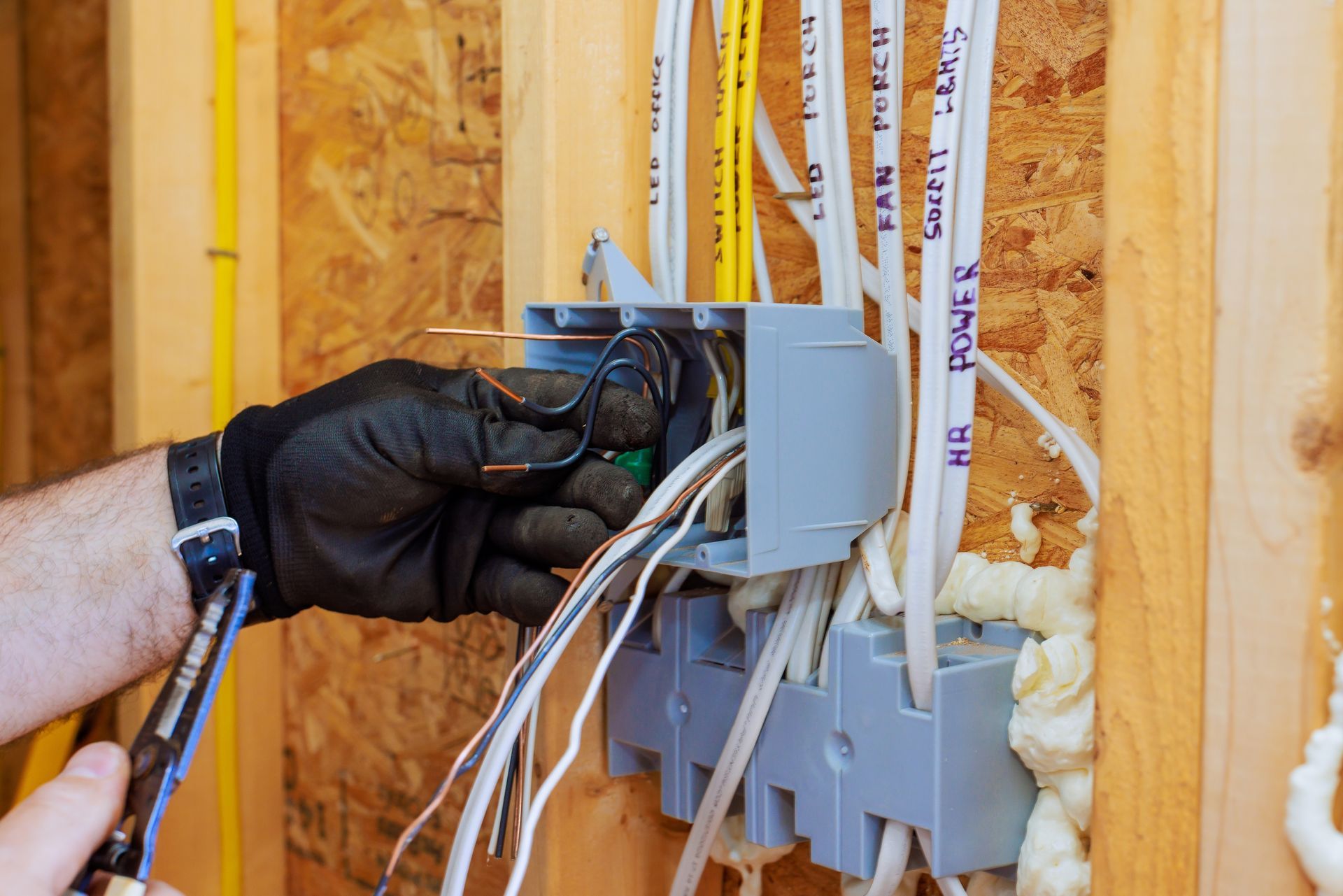
Safe residential electrical systems include properly grounded outlets, appropriately rated breakers for each circuit, and conductors sized to handle connected loads without overheating. Surge protection integration adds a secondary layer of defense by diverting transient voltage spikes to ground before they reach sensitive electronics, preventing damage to computers, televisions, and appliances with microprocessor controls.
After electrical services are completed, you'll notice that outlets accept three-prong plugs without adapters, lights operate without dimming when high-draw appliances start, and GFCI protection functions correctly in bathrooms, kitchens, and outdoor locations. The system handles everyday electrical demands reliably while meeting safety standards that reduce shock and fire risk.
Residential services are designed to improve safety, comfort, and long-term reliability by addressing both immediate repair needs and underlying system deficiencies. Upgrading a service panel, adding dedicated circuits for new appliances, or installing whole-house surge protection all contribute to a residential electrical system that supports modern living without compromising safety.
What Property Owners Usually Ask
Homeowners often need guidance on prioritizing electrical work and understanding what different services accomplish.
What does a residential electrical inspection cover?
Inspections evaluate panel condition, verify grounding and bonding, check outlet polarity and GFCI function, test breaker operation, and identify code violations or hazards such as improper conductor splices or overloaded circuits.
How does surge protection differ from power strips with surge outlets?
Whole-house surge protectors install at the main panel and divert large voltage spikes from utility events before they enter branch circuits, while plug-in surge strips offer limited protection for individual devices and degrade after absorbing surges.
When is rewiring necessary in older Atlanta homes?
Homes with cloth-insulated wiring, knob-and-tube systems, or aluminum branch circuits often require rewiring when insulation has become brittle, connections show corrosion, or the existing system cannot support modern electrical loads safely.
What should you look for when evaluating residential electrical work quality?
Proper workmanship includes secure wire connections with no exposed conductors, breakers that match wire gauge, neat panel wiring with labeled circuits, and grounding conductors present on all outlets and fixtures.
Why do some homes experience frequent breaker trips?
Frequent trips indicate either an overloaded circuit carrying more current than its rated capacity, a ground fault caused by damaged insulation, or a breaker that has degraded and no longer trips at the correct amperage.
Major Electrical Mechanics offers inspections, maintenance, and troubleshooting services focused on improving safety and delivering long-term reliability for residential properties across Atlanta. Request a system evaluation to assess your home's current electrical condition and identify improvements that enhance safety and performance.