Installations Designed for Compliance and Performance
Electrical Installations in Atlanta for lighting systems, electrical components, and surge protection meeting NEC code standards
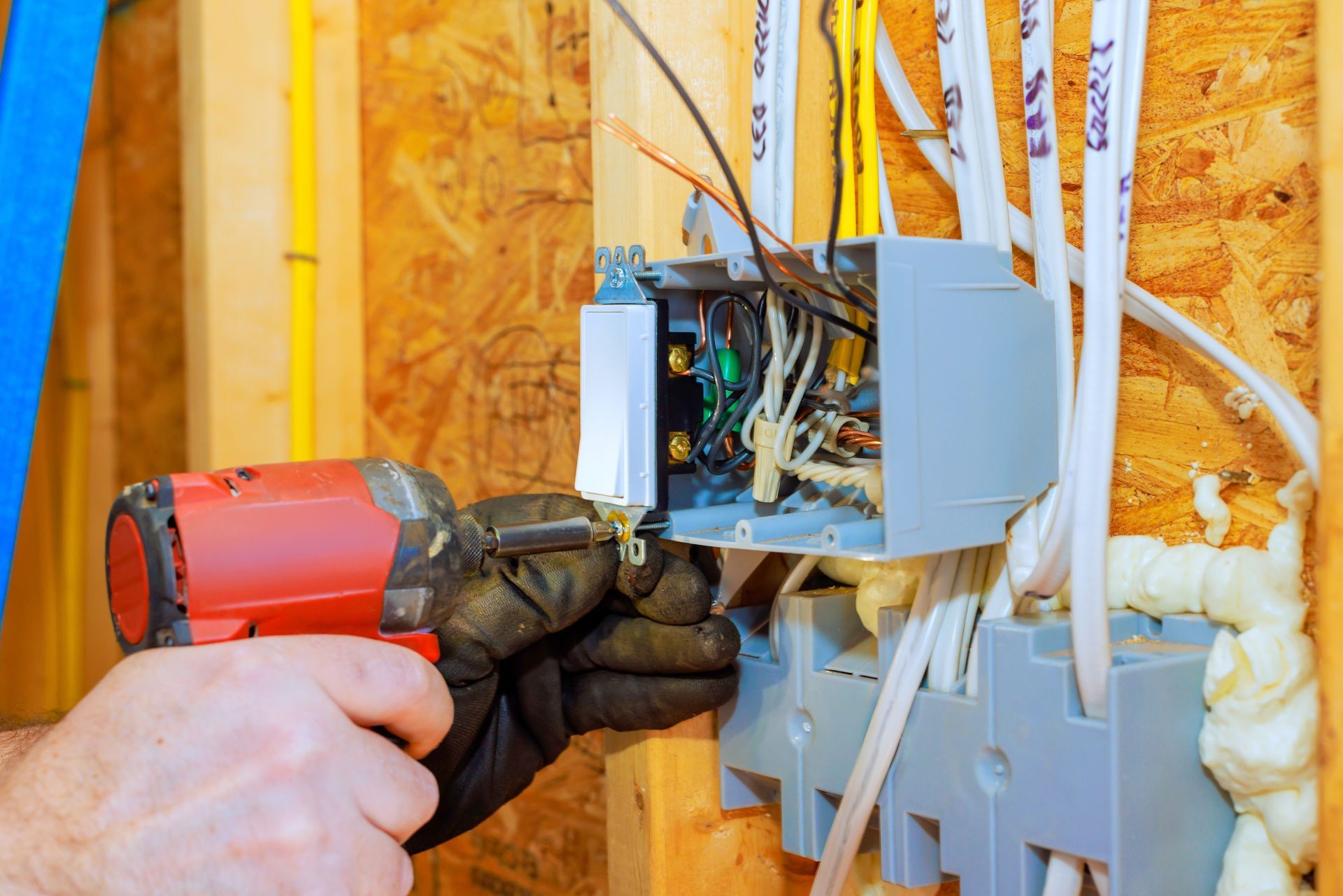
Georgia's frequent thunderstorms and voltage spikes from utility switching operations create conditions that damage electronics and degrade electrical equipment over time. Major Electrical Mechanics handles electrical installations ranging from lighting systems to complete panel upgrades, with every project following a structured process from initial planning through final inspection. The work includes obtaining necessary permits before installation begins, ensuring that all components meet current NEC code requirements, and integrating surge protection to safeguard systems against transient overvoltages.
Installation planning accounts for load calculations, circuit routing that minimizes voltage drop, and future expansion capacity so adding circuits later doesn't require panel replacement. Components are selected for compatibility with existing systems and rated for the environment where they'll operate, with moisture-resistant devices in bathrooms and outdoor-rated equipment for exterior applications. Wire sizing follows ampacity tables with derating applied when conductors run through insulation or bundled in conduit where heat cannot dissipate freely.
Request a consultation to review your installation requirements and determine the scope for your residential, commercial, or industrial application.
What You Notice Once Installation Is Finished
Completed installations deliver consistent voltage to all connected equipment, with lights that maintain steady brightness regardless of what else operates on the circuit and outlets that supply rated current without overheating. Surge protection devices installed at the service entrance clamp voltage spikes before they reach branch circuits, which extends the lifespan of computers, HVAC controls, and other sensitive electronics by preventing cumulative damage from repeated transients. Properly sized conductors eliminate the voltage sag that causes motors to draw excessive current and overheat during startup.
You observe labeled panels with circuit directories that accurately identify what each breaker controls, making troubleshooting straightforward when issues arise. Equipment operates quietly without the buzzing or humming that indicates loose connections or improper grounding, and switches respond crisply without flickering or delayed reaction. The installation remains accessible for future modifications while meeting code requirements for proper support, protection from physical damage, and clearances around working space.
Each installation includes as-built documentation showing final circuit routing and component locations, verification that all connections are torqued to specifications, and confirmation that protective devices are correctly sized for the conductors they protect. The work does not include cosmetic patching of walls or ceilings opened for access, and any structural modifications needed for routing require separate coordination with general contractors.
What Property Owners Usually Ask
Installation projects raise questions about timing, protection strategies, and how the work addresses specific property needs.
What does surge protection actually prevent in a residential or commercial electrical system?
Whole-system surge protection clamps voltage spikes from lightning strikes on nearby utility lines, capacitor switching at substations, and back-feed from large motor startups, limiting transient voltages to levels that don't damage electronic components or degrade insulation in connected equipment.
How does the permit and inspection process protect property owners during installation?
Permits ensure qualified inspectors verify that installations meet code requirements for safety and performance, preventing substandard work that creates fire hazards or fails prematurely and establishing a documented record that supports insurance claims and property transfers.
When does an installation require upgrading the main service panel?
Adding circuits that push total load beyond the panel's rated capacity, installing equipment with startup currents that exceed available fault current ratings, or incorporating devices requiring arc-fault or ground-fault protection not available in older panels all necessitate service upgrades before proceeding with installation.
What makes installations suitable for industrial applications different from residential work?
Industrial installations accommodate three-phase power, motor control circuits with specific overload protection, and equipment requiring precise voltage regulation, with conductor sizing and protection devices selected for continuous duty cycles rather than intermittent residential usage patterns.
How do Atlanta's weather patterns influence outdoor electrical installation requirements?
High humidity and frequent rain require weatherproof enclosures rated NEMA 3R minimum, UV-resistant conductor insulation for exposed wiring, and corrosion-resistant hardware for connections that will cycle between wet and dry conditions throughout the year.
Major Electrical Mechanics coordinates installations to minimize disruption and maintains clear communication throughout the project timeline. Schedule a planning session to discuss your specific installation needs and establish a timeline that works with your property schedule.