Electrical Systems That Meet Current Code
Electrical Inspections in Atlanta for properties requiring documented code compliance and safety verification
Major Electrical Mechanics performs electrical inspections in Atlanta using a National Certified Electrical Inspector who evaluates every accessible component of your electrical system against current NEC standards and local amendments. These inspections are required before real estate closings, after major upgrades, and when compliance documentation is needed for permits or insurance. You receive a written report identifying specific code violations, safety hazards, and the exact corrections needed to bring the system into compliance.
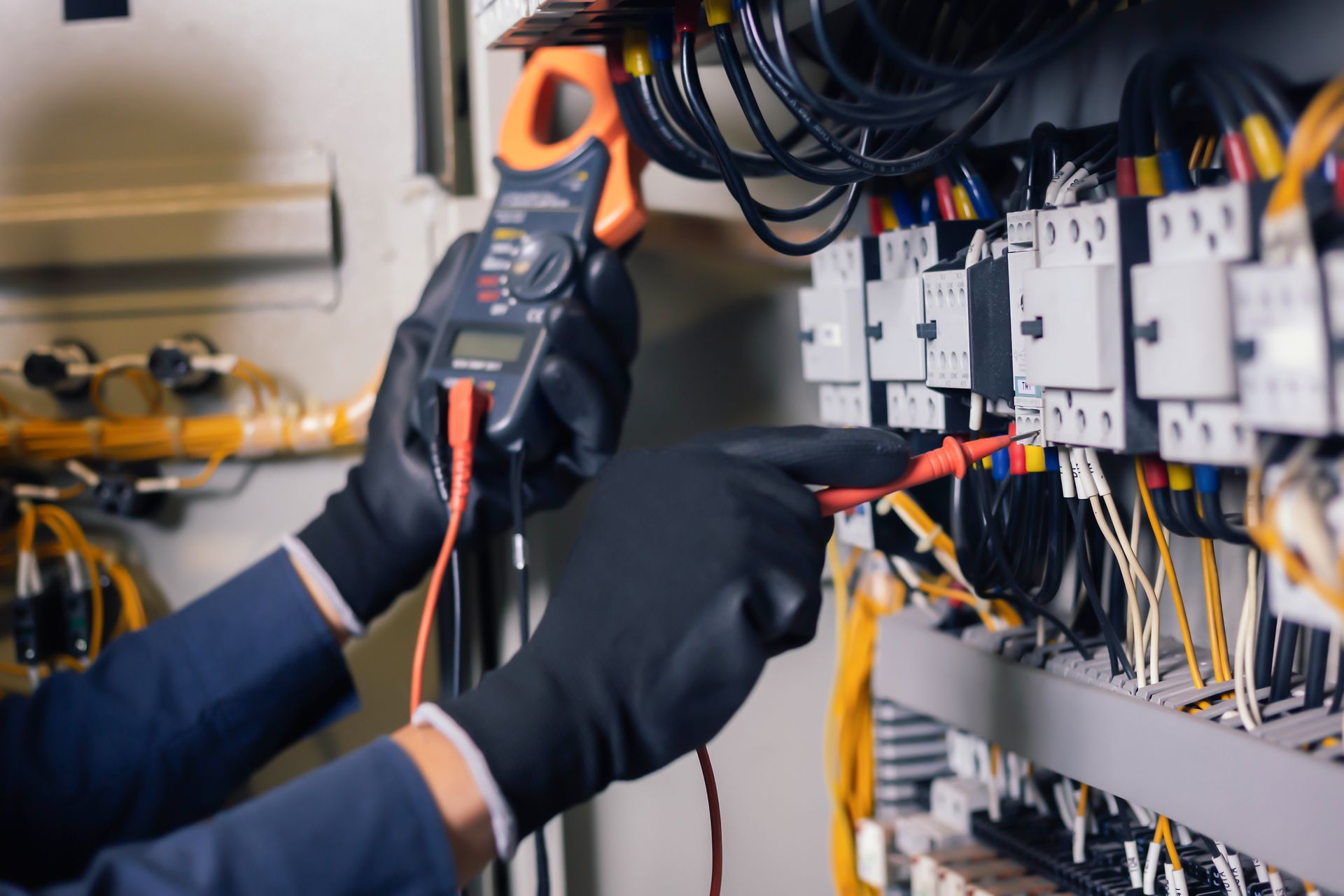
The inspection process involves opening panels to examine bus bars and breaker connections, testing ground fault protection, checking wire gauge against circuit loads, and verifying proper bonding and grounding throughout the service entrance. Atlanta properties built before major code updates often reveal undersized conductors, missing arc fault protection, or panel configurations that no longer meet minimum safety standards.
Schedule a property inspection to document current electrical conditions and required corrections.
What a Certified Inspector Evaluates During the Process
The inspector opens your main service panel to verify proper torque on breaker connections, check for signs of overheating on bus bars, and confirm that neutral and ground conductors terminate correctly. Wire insulation is examined for brittleness or damage, conduit entries are checked for proper sealing, and every circuit is traced to verify it matches the panel schedule and serves the documented load.
After the inspection, you know exactly which violations exist, what specific work is required to correct them, and whether your system can safely support current and planned electrical loads. The written report includes panel photographs, circuit-by-circuit findings, and a prioritized list of corrections separated into immediate safety concerns and deferred code upgrades.
The inspection does not include repairs or corrections, only documentation and guidance on what needs to change. If walls or ceilings conceal wiring, the inspector evaluates what is visible and accessible, noting areas where concealed conditions prevent full assessment. Properties with multiple subpanels or outbuildings require inspection of each service point and transfer switch if generators are installed.
Questions Before Starting Your Project
Homeowners in Atlanta often ask about the inspection process before scheduling, particularly when electrical work is part of a larger transaction or renovation timeline.
What happens during the inspection?
The inspector examines the main panel, subpanels, grounding system, and accessible wiring while documenting wire sizes, breaker ratings, and protection devices against current code requirements for the building's use and occupancy.
How long does the inspection take?
Most residential inspections require one to two hours depending on panel complexity, the number of circuits, and whether multiple buildings or detached structures need evaluation.
What credentials does the inspector hold?
Major Electrical Mechanics uses a National Certified Electrical Inspector who maintains current certification through ongoing education in NEC updates and local code amendments specific to metro Atlanta jurisdictions.
When should I schedule an inspection?
Inspections are required before closing on property purchases, after completing electrical upgrades or additions, when applying for certain permits, and when insurance companies request documented system evaluations.
What documentation will I receive?
You receive a written report detailing all findings, photographs of panel conditions, a list of code violations with specific NEC references, and recommended corrections prioritized by safety risk and compliance necessity.
Major Electrical Mechanics provides inspection services that meet regulatory and transaction requirements while giving you clear direction on what needs correction. Arrange an evaluation to document your electrical system's current code compliance status.