Systems Updated to Meet Current Electrical Demands
Electrical Upgrades in Atlanta for properties with outdated systems that create overload risks, code compliance issues, and insufficient capacity for modern equipment
Properties experiencing frequent breaker trips, dimming lights when appliances cycle on, or panels that lack open slots for additional circuits often need electrical upgrades to meet modern demands and code requirements. Upgrading outdated electrical systems improves safety, efficiency, and capacity through panel improvements, circuit updates, and surge protection integration that bring older installations in line with current National Electrical Code standards. Major Electrical Mechanics designs cost-effective upgrades that deliver long-term value by reducing the risk of overloads, outages, and electrical hazards while supporting high-usage environments and newer appliances.
Common upgrades include replacing 100-amp panels with 200-amp service to accommodate electric vehicle chargers, adding dedicated circuits for kitchen and laundry equipment, upgrading from fuse boxes to breaker panels, and installing AFCI breakers to detect and interrupt dangerous arcing conditions. Each upgrade addresses a specific limitation in the existing system and improves reliability for the circuits and equipment affected.
Request a planning session to review system capacity and identify which upgrades address your property's electrical limitations.
What Proper Electrical Upgrades Require
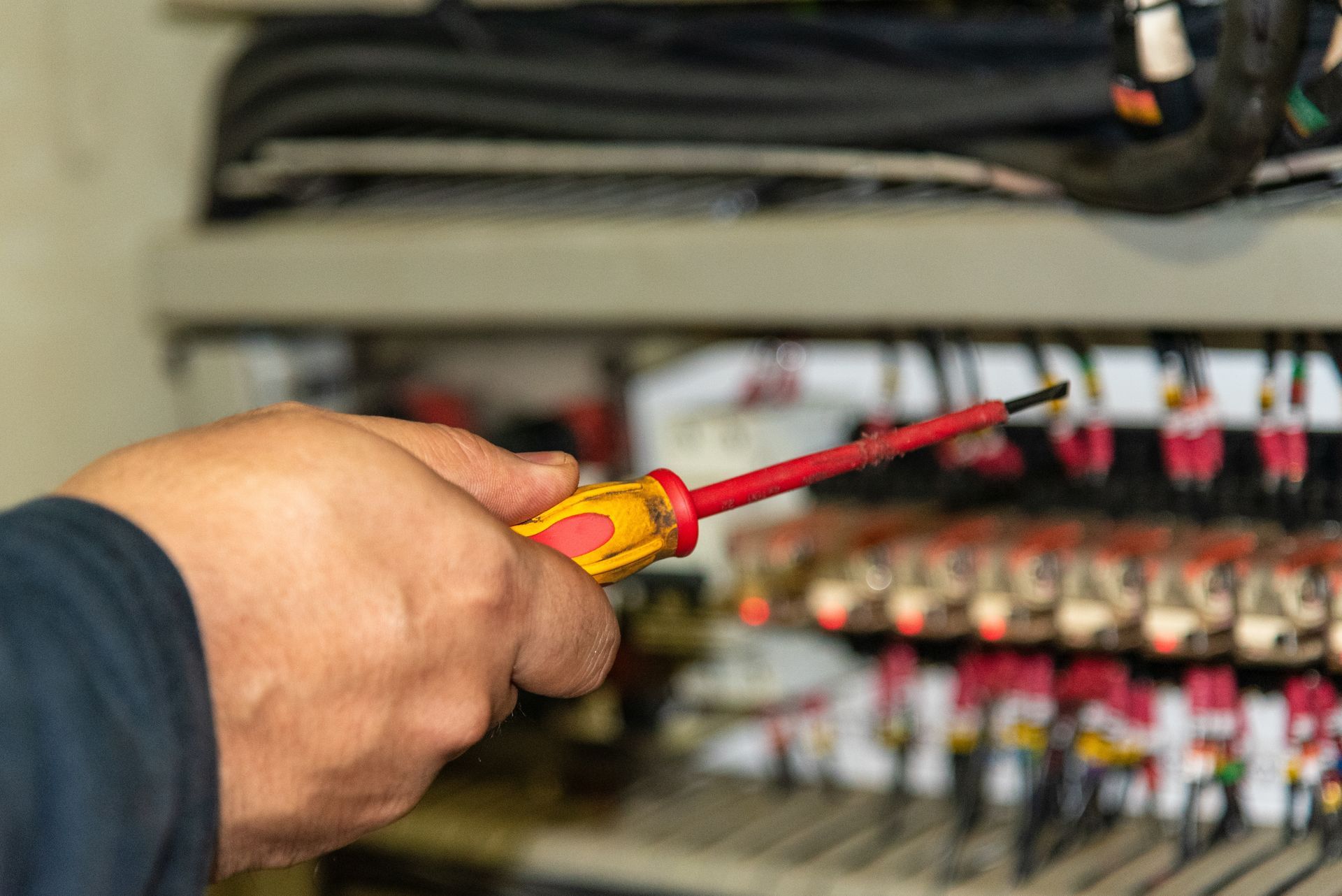
Electrical upgrades involve more than swapping components—they require load calculations to verify that the upgraded system can handle total connected demand, proper conductor sizing to prevent voltage drop, and coordination with utility companies when service capacity increases. Panel upgrades must include updated grounding and bonding connections, while circuit updates require verifying that existing conductors can safely carry increased loads or installing new home runs where necessary.
Once upgrades are completed and inspections pass, your electrical system operates without nuisance trips, supports simultaneous use of high-draw equipment, and provides the circuit availability needed for future additions. Surge protection installed during the upgrade diverts transient overvoltages before they damage electronics, while updated breakers provide reliable overcurrent protection calibrated to current load requirements.
Upgrades improve reliability for high-usage environments by eliminating bottlenecks in the distribution system and ensuring that protective devices function correctly under fault conditions. Properties that have added central air conditioning, electric heating, or multiple large appliances since original construction often find that upgrading the panel and select branch circuits resolves performance issues and eliminates safety risks associated with overloaded conductors.
Questions Before Starting Your Project
Understanding what upgrades involve and how they affect system performance helps in planning effective improvements.
What triggers the need for electrical system upgrades?
Installing new equipment that exceeds current panel capacity, persistent breaker trips under normal use, adding electric vehicle charging, or inspection findings that identify code violations or outdated components all indicate that upgrades are necessary.
How do load calculations determine upgrade requirements?
Load calculations sum the wattage of all connected devices and apply demand factors to determine the total current draw, ensuring that upgraded panels and circuits can handle peak usage without exceeding rated capacity.
Why do some upgrades require utility coordination in Atlanta?
Service upgrades that increase total capacity beyond what the existing utility connection can supply require coordination with Georgia Power to install larger service conductors and metering equipment before the panel upgrade can proceed.
What is the difference between panel upgrades and circuit updates?
Panel upgrades replace the main distribution point and increase total system capacity, while circuit updates add or modify individual branch circuits to support specific equipment or correct wiring deficiencies.
How does surge protection integration work during an upgrade?
Whole-house surge protectors connect at the main panel between the incoming service and the bus bars, providing a low-impedance path to ground for voltage spikes and protecting all downstream circuits and connected equipment.
Major Electrical Mechanics provides electrical upgrades designed to improve safety, efficiency, and capacity while helping properties meet modern electrical demands and code requirements. Schedule an upgrade consultation to evaluate your current system and plan improvements that reduce risk and support long-term operational reliability.