Finding Problems Hidden in Your Wiring
Electrical Troubleshooting in Atlanta for circuits that fail intermittently or lose power without clear cause
Circuits that trip randomly, outlets that work inconsistently, or rooms that lose power during certain conditions indicate problems that standard visual inspection will not locate. Major Electrical Mechanics uses systematic diagnostic methods and testing equipment to trace voltage drops, identify failing connections, and isolate the exact point where current flow is interrupted or shunted. These issues often originate at hidden splice points, corroded terminals inside boxes, or backstab connections that loosen over time as wire expands and contracts with load cycling.
The troubleshooting process involves measuring voltage at multiple points along the circuit, testing continuity through suspected problem areas, and using thermal imaging to detect heat signatures from high-resistance connections that do not yet trip breakers but degrade performance. Atlanta's humidity accelerates corrosion in poorly sealed junction boxes, particularly in crawlspaces and attics where temperature swings cause condensation inside enclosures.
Request a diagnostic evaluation to identify the root cause of circuit failures or inconsistent electrical performance.
How Systematic Diagnosis Locates Exact Failure Points
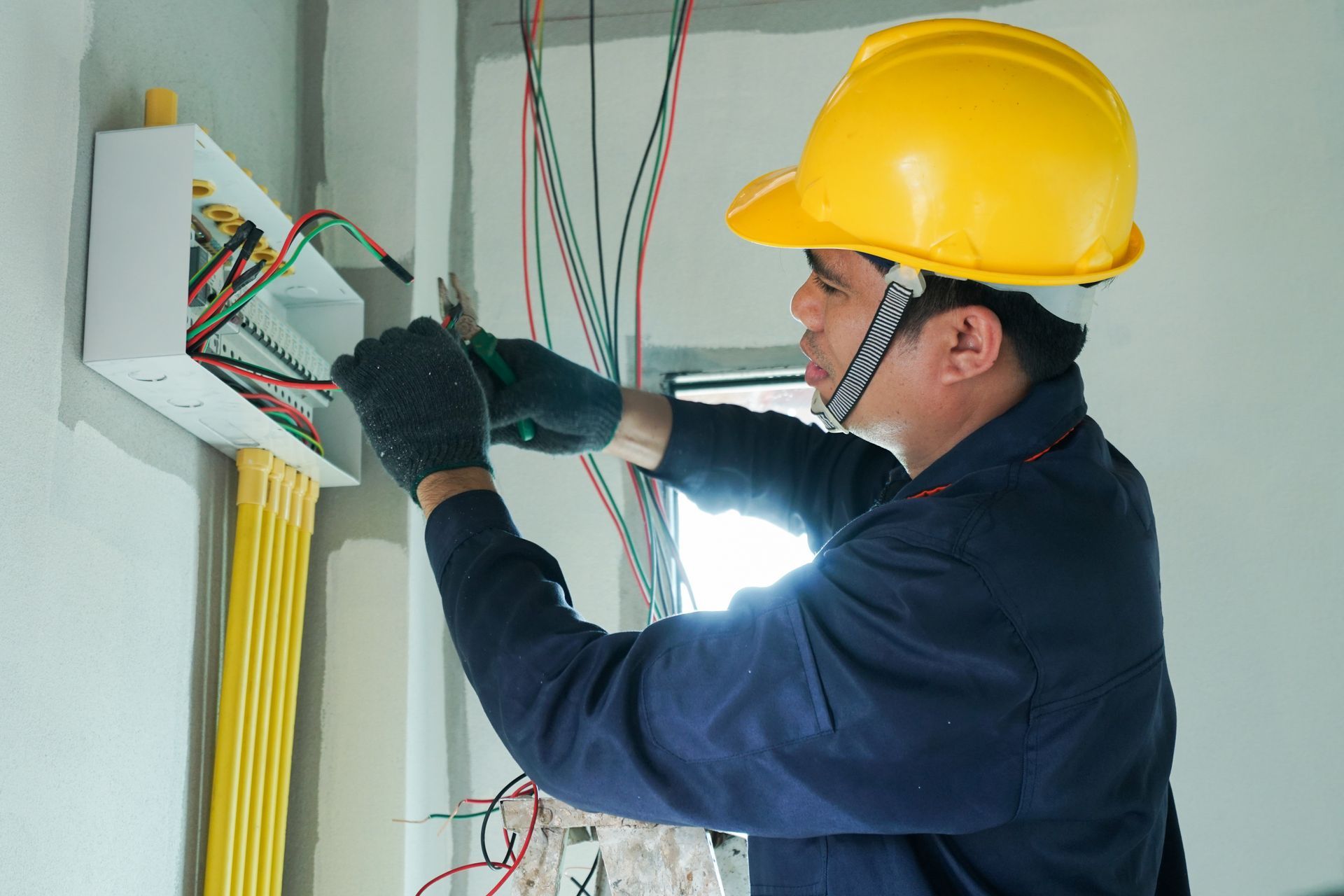
Troubleshooting begins by isolating whether the problem originates at the panel, along the circuit path, or at the load itself, then working through each segment using voltage and resistance measurements to narrow the search. Advanced diagnostic tools reveal issues that visual inspection misses, including failing GFCI devices that do not show obvious damage, neutral conductor problems that create voltage imbalance, and shared neutral circuits that interact unpredictably.
Once the exact failure point is identified, you stop paying for trial-and-error repairs that replace components unnecessarily or leave the underlying issue unresolved. The circuit operates reliably because the actual cause has been corrected, not just the symptom addressed. You know what failed, why it failed, and what was done to prevent recurrence.
Complex problems may involve multiple contributing factors, such as overloaded circuits combined with deteriorated insulation or improperly sized conductors serving loads beyond their rating. Troubleshooting does not include the repair work itself, only the diagnostic process that determines what needs correction and provides a clear scope for the necessary electrical work.
Answers to Frequent Service Questions
Property owners facing unexplained electrical issues typically want to understand the diagnostic process before committing to troubleshooting services.
What tools are used during troubleshooting?
Diagnostics involve digital multimeters for voltage and resistance testing, clamp meters for measuring current draw, thermal imaging cameras to detect hot connections, and circuit tracers to map wiring paths through concealed spaces.
Why do circuits fail intermittently instead of completely?
Intermittent failures typically result from loose connections that make and break contact based on vibration, thermal expansion, or load changes, creating symptoms that appear and disappear without consistent patterns.
How long does troubleshooting take?
Diagnosis time depends on problem complexity and wiring accessibility, ranging from one hour for straightforward circuit issues to several hours for problems involving multiple interacting circuits or concealed junction boxes in older Atlanta homes with limited documentation.
What happens after the problem is identified?
You receive a detailed explanation of what failed, where the failure is located, and what repair work is required to resolve it, allowing you to make informed decisions about necessary corrections.
Can troubleshooting prevent future issues?
Accurate diagnosis addresses root causes rather than symptoms, eliminating the underlying condition that created the failure and preventing repeat problems that result from incomplete or misdirected repairs.
Major Electrical Mechanics applies systematic troubleshooting methods that isolate exact failure points and eliminate guesswork from the repair process. Contact our team to arrange a diagnostic evaluation for persistent or unexplained electrical problems.