Preventive Work That Stops Failures Before They Start
Electrical Maintenance in Atlanta for residential and commercial properties requiring routine safety checks and system performance optimization
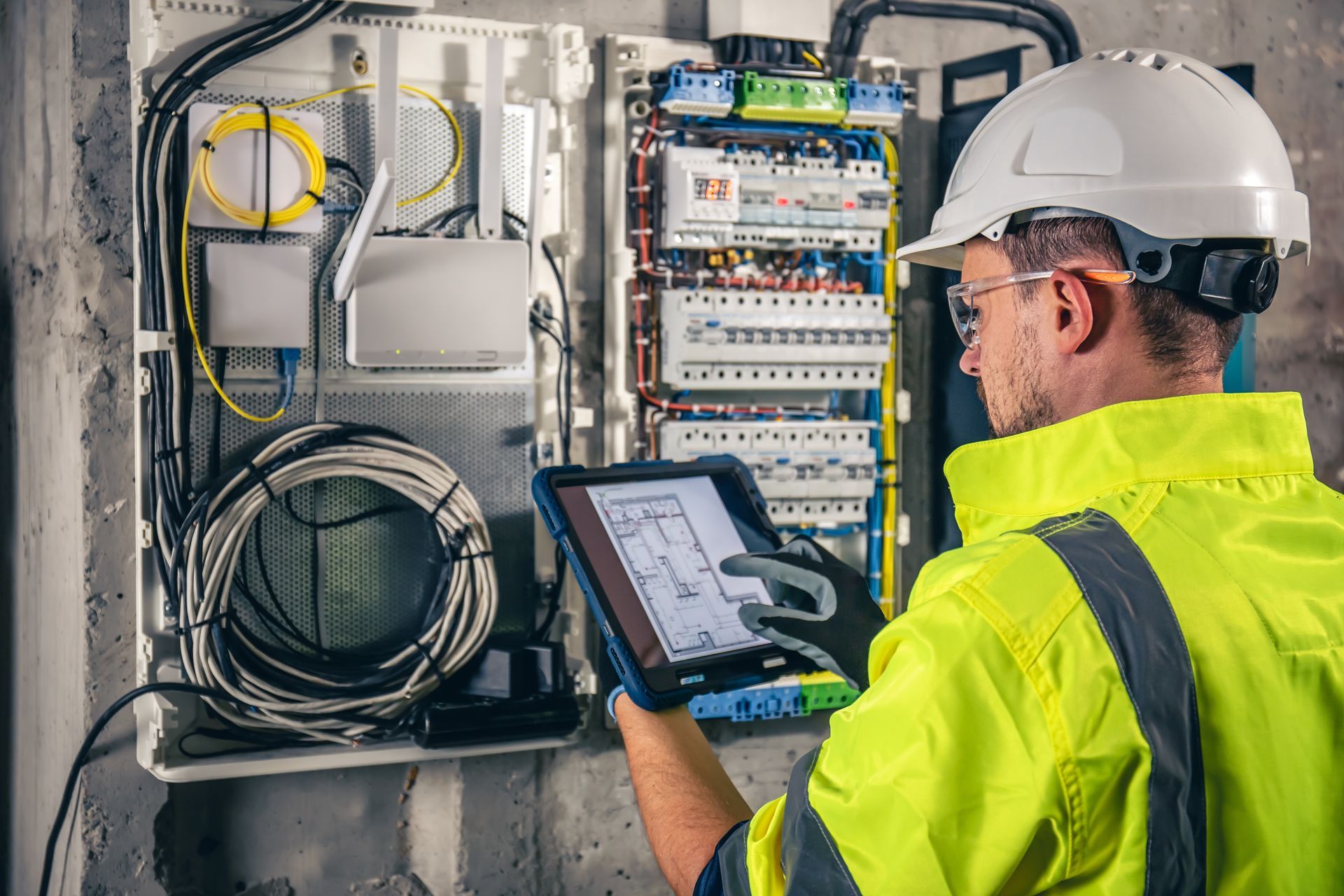
Panels that run hot to the touch, breakers that trip without clear cause, or conductors that feel warm during normal operation signal problems developing inside the electrical system. Major Electrical Mechanics provides routine electrical maintenance that addresses these issues before they escalate into emergency repairs or equipment damage. The service involves tightening panel connections, securing conductors that have worked loose over time, and measuring panel temperature to identify hot spots indicating poor contact or overloaded circuits.
Maintenance visits identify early warning signs like discolored breakers from overheating, oxidized bus bar connections that increase resistance, and conductor insulation showing brittleness from heat cycling. Thermal imaging reveals hot connections invisible to visual inspection, and torque testing ensures terminal screws meet manufacturer specifications after years of thermal expansion and contraction. These checks extend system lifespan by catching degradation while it still allows for simple corrections rather than component replacement.
Arrange an evaluation to assess your system's current condition and identify developing issues.
How Maintenance Addresses System Degradation
Electrical connections loosen over time as temperature changes cause metal to expand and contract, creating gaps that increase resistance and generate more heat in a self-accelerating cycle. Maintenance tightening interrupts this process by restoring full metal-to-metal contact, which drops resistance back to design levels and eliminates the heat that damages surrounding components. Loose neutral connections receive particular attention because they cause voltage imbalances that damage sensitive electronics without tripping breakers.
After maintenance, breakers stop nuisance tripping caused by borderline connections that heat up under load, and panels remain cool even during peak demand periods like summer afternoons when air conditioning and other heavy loads operate simultaneously. Equipment runs more efficiently without voltage sags from poor connections, and the risk of arc faults that can ignite surrounding materials drops substantially once all terminations are properly torqued.
The service includes checking that all panel covers fit securely to prevent accidental contact with energized components, verifying that circuit labels remain accurate after any additions or changes, and documenting the system's current condition for future reference. Maintenance does not include replacing functional components preemptively, and recommendations for upgrades focus on addressing identified deficiencies rather than unnecessary improvements.
Common Questions About This Service
Property owners typically want to understand timing, scope, and what maintenance actually accomplishes for their electrical systems.
What early warning signs indicate an electrical system needs maintenance attention?
Flickering lights when large appliances start, breakers that feel warm to the touch, burning odors near the panel, or outlets that no longer grip plugs firmly all suggest connections have degraded enough to require inspection and tightening.
How does routine maintenance reduce the risk of costly emergency repairs?
Tightening a loose connection during scheduled maintenance takes minutes and prevents the progressive overheating that eventually melts conductors, damages breakers, or starts fires requiring complete panel replacement and emergency service rates.
When should commercial properties in Atlanta schedule electrical maintenance?
Annual maintenance aligns with fiscal planning and catches degradation before Georgia's hot, humid summers stress systems with sustained cooling loads that expose marginal connections through prolonged high-current operation.
What tools identify problems not visible during standard inspection?
Thermal imaging cameras detect hot connections through panel covers without de-energizing circuits, and torque wrenches verify that terminal screws meet the foot-pounds specified by breaker manufacturers for reliable contact.
How does maintenance support ongoing code compliance for electrical systems?
Regular inspections ensure that modifications made by previous contractors followed proper procedures, that protective devices still function correctly, and that the system operates within its rated capacity as equipment and usage patterns change.
Major Electrical Mechanics documents findings during each maintenance visit and provides clear recommendations for any corrective work needed. Schedule a system check to establish baseline condition and create a maintenance plan suited to your property's usage patterns.